
What Is Unconscious Bias?
in COMMUNICATION + RELATIONSHIPS
Unconscious bias isn’t a character flaw; it’s a neurological reality. However, when these hidden assumptions are left unchecked in the workplace, they quietly undermine your best efforts to build a fair, innovative and high-performing culture. Understanding how to manage these mental shortcuts is a critical leadership skill. Here’s how to navigate it:
The Challenge
Even the most well-intentioned managers hold unconscious biases. In a fast-paced work environment, these biases manifest in subtle but highly destructive ways. They dictate who gets handed the high-profile projects, who is given the benefit of the doubt during a mistake, and who ultimately gets promoted.
When team members feel that decisions are made based on affinity rather than merit, psychological safety plummets. This leads to the ‘echo chamber’ effect, where diverse perspectives are silenced, innovation stalls, and top-tier talent eventually leaves for competitors who value their actual output.
The Science
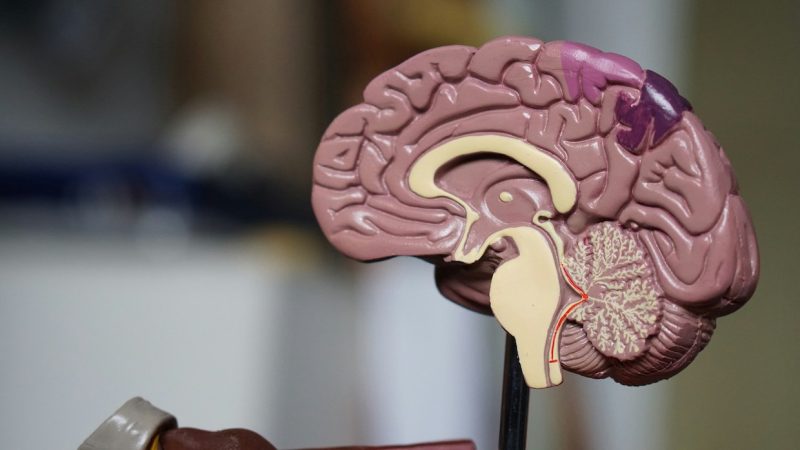
To dismantle bias, we first have to understand the mechanics behind it. The human brain processes roughly 11 million bits of information every second, but our conscious minds can only handle about 40 to 50 of them.
To bridge this massive gap, our brains rely on heuristics: rapid cognitive shortcuts constructed from our background, cultural environment, media consumption, and personal experiences. While these shortcuts kept early humans safe, in a modern corporate setting, they cause us to instinctively favour people who look, sound, and think like we do (Affinity Bias), or to let one positive trait overshadow a person’s actual flaws (The Halo Effect).
The Solutions
Dismantling these shortcuts requires moving from passive awareness to active, structural disruption.
- Acknowledge the baseline: Recognising that every single person relies on mental shortcuts is the necessary first step. Moving past the defensive reaction of “I’m not biased” allows you to actually do the work of identifying your specific blind spots.
- Slow down decision-making: Rushed choices almost always default to stereotyping. Whether you are hiring, conducting a performance review, or assigning a project, build in a buffer period to properly interrogate your own reasoning. Ask yourself: Would I view this action differently if it came from another team member?
- Standardise your processes: Ambiguity is where bias thrives. Implement structured interviews where every candidate is asked the exact same questions, and use clear, objective, pre-agreed rubrics for evaluating performance and awarding promotions.
- Broaden your network: We naturally gravitate toward the familiar. Actively seek out perspectives, mentors, and colleagues outside your usual circle. Inviting dissenting opinions into your planning stages directly challenges your default assumptions.
- Commit to regular training: Unlearning lifelong mental habits is not a one-off event. Regular, targeted education helps staff spot microaggressions in real-time, gives them the vocabulary to address them, and builds a genuinely inclusive culture from the ground up.
Actively managing unconscious bias isn’t just an HR box-ticking exercise; it leads to higher employee retention, richer cross-departmental collaboration, and a measurably stronger bottom line.
Find out more about how we can support Unconscious Bias training in your workplace.
About the Author
Alice Willis – Director
Following 10 years working in marketing and advertising, Alice set up Work Better with a clear aim of tackling big and broad issues related to workplace performance. Alice is involved across all aspects of the business from working with clients to understand their needs to helping coaches and trainers always deliver in the Work Better way.